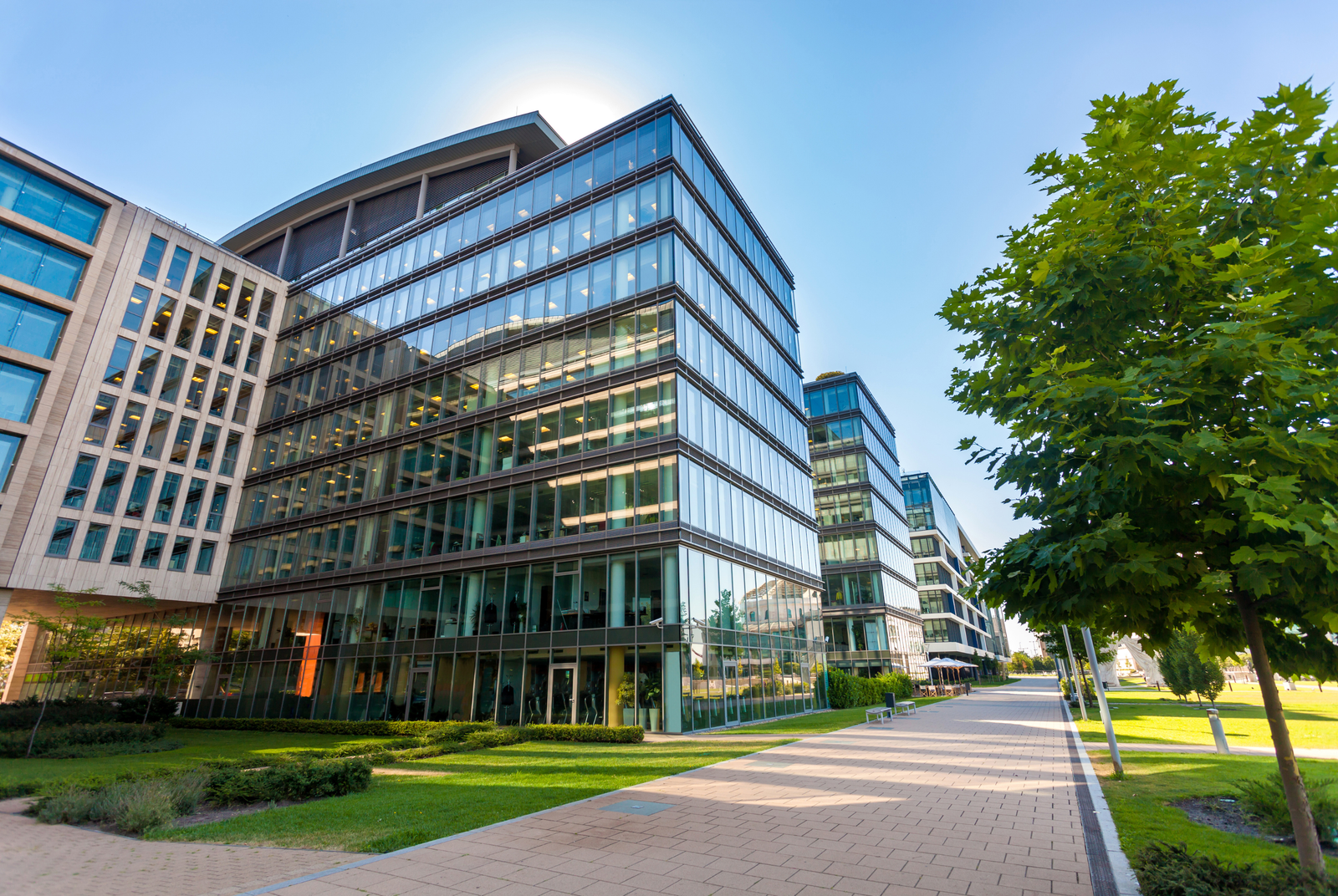
Today’s buildings are expected to offer more than just aesthetic value. Modern structures are built with longevity, comfort, and resource efficiency in mind. With changing demands within the world of architecture, it is clear that facade systems have emerged as one of the key factors in determining the relationship between the building and its surroundings.
The growing focus on energy-efficient architecture has placed facades at the center of building design decisions. A well-planned facade affects how the building uses daylight, sun exposure, air movement, and overall efficiency. Unlike before, facades have moved from mere decorative exteriors to functional building elements.
Reducing Solar Heat Gain Through Sustainable Facades
The main role played by the facade system in modern buildings is the control of the amount of solar energy that enters the building. Excessive heat gain may increase the need for cooling and, consequently, affect the comfort level within the building.
Well-designed sustainable facades play an essential role in controlling solar exposure through thoughtful material selection, facade configuration, and external shading strategies. Louvers and Sunshades are examples of systems applied in facade design for limiting direct solar access but still allowing daylight access indoors.
By minimizing excess heat, architects are able to design structures that rely less on artificial means for cooling, yet at the same time provide comfortable conditions inside. This idea is commonly reflected in many current facade designs, including those developed by Koemmerling Aluminium Systems for contemporary building projects
Maximizing Natural Daylight Without Increasing Energy Use
Natural light is among the most important natural resources in building design. It can be employed to enhance the environment indoors and minimize dependency on artificial light.
A successful sustainable facade design needs to achieve the right balance between allowing daylight and ensuring that the occupants are comfortable. Through glass surfaces, strategically designed openings, and systems such as Skylight Systems, daylight can enter buildings without affecting functionality.
Some important considerations include:
- Positioning facade openings based on building orientation
- Using daylight to illuminate interior spaces more effectively
- Creating brighter environments that reduce daytime lighting demand
When daylight strategies are appropriately incorporated within the facade design, buildings tend to be more comfortable for occupation while meeting sustainability goals.
Read More : Types of Facade Systems Used in Commercial & Residential Buildings
Supporting Passive Building Design Strategies
Passive design emphasizes the utilization of natural elements of the environment to enhance the performance of buildings. Instead of completely depending on mechanical systems, architects tend to adopt design solutions that respond to sunlight, airflow, and site conditions.
Facades play a major role in these strategies. By careful planning, architects can use building orientation, shading elements, and facade composition in order to enhance building performance. This aspect makes energy-efficient architecture possible since buildings themselves become involved in environmental condition management.
The choices made about facades at an early stage of the design process can affect the efficiency of passive strategies in the long run. This is why sustainable facade planning has gained much importance within architecture today.
How Advanced Facade Systems Support Energy Efficiency
Modern-day projects require facade systems that combine performance with design flexibility. In the current complex construction processes, the facade should be able to achieve several goals at the same time, while meeting high-quality standards.
The unitised facade system approach has received considerable focus in the construction sector since they enhance accuracy, quality control, and installation efficiency through the process of pre-fabrication. It should be noted that energy performance does not solely depend on the method of facade fabrication but also on the way these systems are incorporated into the building envelope.
For example, Koemmerling Aluminium Systems offers facade solutions such as Curtain Wall Systems, Louvers and Sunshades, Skylight Systems, and Ventilated Facade Substructures that are used across a variety of modern architectural applications.
Key benefits of advanced facade planning include:
- Better management of solar exposure across building elevations
- Greater control over daylight penetration
- Improved coordination between architectural design and building performance goals
This explains why facade systems have continued to play a significant role in influencing building strategies in modern times.
Improving Long-Term Building Performance and Sustainability Goals
While sustainability is frequently measured by efficiency, longevity is just as critical. Building structures are expected to serve their intended purpose well into the future. They must maintain functionality, relevance, and adaptability for decades after their construction.
Well-designed sustainable facades aid in meeting these objectives by ensuring that the building is able to adapt to the varying environmental conditions during its entire lifetime. The performance of the facade system is important not only now but also for future operation.
This long-term perspective is one of the reasons behind the increasing importance that facade design has attained in contemporary architecture. The sustainable design approach enables designers to make responsible choices that go beyond fulfilling the current demands of the projects, adding value to the buildings.
How Koemmerling Aluminium Systems Approaches Sustainable Facade Solutions
Koemmerling Aluminium Systems, a brand of profine GmbH, Germany, provides facade solutions according to the latest architectural needs. The products include Curtain Wall Systems, Skylight Systems, Louvers and Sunshades, and Ventilated Facade Substructures for modern building applications.
Due to advanced anodization and powder coating, the surface is consistent and will not chip off after a period of time. Systems have been designed to support modern architectural designs while maintaining durability and performance.
Read More : What Are Ventilated Façade Substructures? Features & Benefits
Conclusion
Facade systems have developed into some of the most important parts of modern architectural designs. The fact that these systems can help regulate daylight and even solar exposure makes them indispensable when it comes to creating energy-efficient architecture.
Sustainability will be increasingly important in the future of the construction industry, and therefore, the careful planning of facades will become an increasingly critical factor in developing high-performance buildings. The facade solutions manufactured by Koemmerling Aluminium Systems align with the evolving needs of modern architecture while supporting durable and well-executed building designs.